
Patio Awnings Installation in Fairfield: Creating Ultimate Outdoor Living Spaces
- Morgan Outdoor
- Feb 10
- 4 min read

Patio awnings installation in Fairfield represents a transformative investment for homeowners seeking to maximize their outdoor living potential and enhance the functionality of their property. In a region that celebrates its distinct seasons—from vibrant springs and sunny summers to crisp autumns—a well-designed patio awning serves as a versatile architectural extension of the home. It creates a defined, sheltered area for relaxation, dining, and entertainment, effectively adding valuable square footage to your living space.

Far more than a simple shade solution, a professionally installed patio awning is an engineered system that requires careful consideration of design, structure, and local climate factors. For Fairfield residents, this means selecting and installing an awning that not only complements the home’s aesthetic but is also built to withstand coastal humidity, summer sun intensity, and occasional severe weather, ensuring years of reliable service and enjoyment.
Selecting the Right Patio Awning Style and Mechanism for Your Needs
The first step toward a successful installation is choosing the appropriate type of patio awning, as this decision dictates the installation complexity, functionality, and overall aesthetic. The primary categories are fixed (stationary) patio covers and retractable patio awnings. Fixed patio covers, often constructed with aluminum or polycarbonate roofs supported by posts, provide permanent shade and shelter, integrating almost like a permanent addition to the home.
They are ideal for homeowners desiring a constant, low-maintenance structure. Conversely, retractable lateral arm awnings offer unparalleled flexibility. Mounted to an exterior wall or roof eave, these systems feature extending arms that unfurl a broad canopy of fabric, providing adjustable shade that can be retracted completely to open the patio to sky and sun.
Motorization is a key upgrade, allowing for effortless operation via remote, wall switch, or even smart home integration with wind and sun sensors. For larger or freestanding patios, freestanding cantilever or pergola-style awnings are excellent options, providing shade without requiring direct attachment to the home. Each style has unique installation requirements and spatial considerations that a professional will assess during the planning phase.
Professional Site Assessment and Structural Planning for Fairfield Homes
A professional patio awning installation begins with a comprehensive site assessment specific to the Fairfield property. This critical phase goes beyond simple measurements. An experienced installer will evaluate the proposed mounting surface on the home—typically a wall, soffit, or roof eave—to determine its structural capacity to bear the awning’s weight and potential wind load.
They will check for rot, inspect the framing, and identify the exact points for secure anchoring into load-bearing studs or rafters. The orientation of the patio relative to the sun’s path is analyzed to determine the optimal awning size and projection needed for effective shade coverage during peak hours. The installer will also assess ground conditions, especially for freestanding or post-supported models, to ensure stable footing.
Crucially, they will review local Fairfield County building codes and zoning regulations, which may govern maximum projection, height, and placement, and secure any necessary permits. This meticulous planning ensures the installation is safe, compliant, and perfectly tailored to the site’s unique conditions and the homeowner’s lifestyle.
The Installation Process: Precision Engineering for Safety and Performance
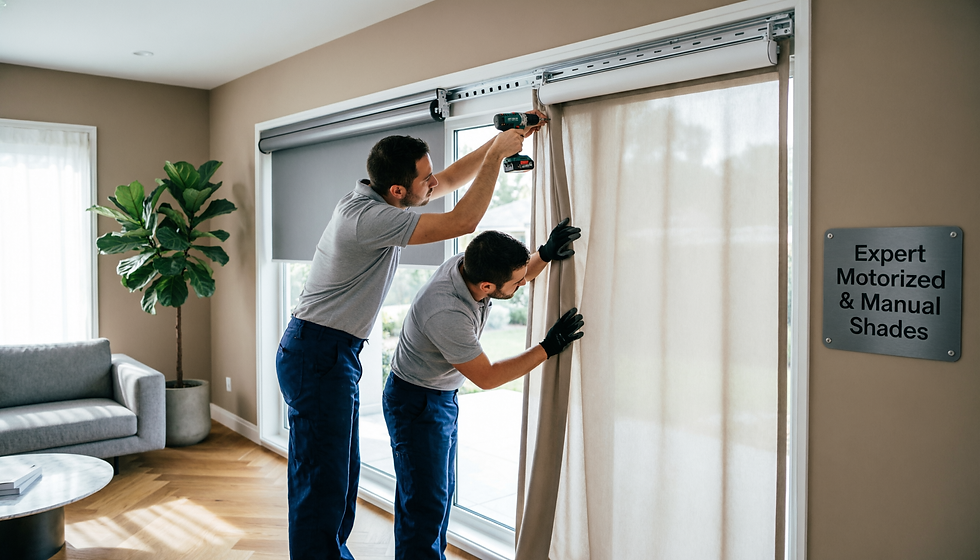
The physical installation of a patio awning is a precise operation that blends construction skill with mechanical expertise. For a retractable lateral arm awning, the process involves securely mounting a heavy-duty headbox or cassette to the home’s structure using corrosion-resistant, structural-grade lag bolts anchored directly into solid framing. The alignment must be perfectly level, as even a slight deviation can cause improper operation and uneven wear.
The support arms are then attached and calibrated for smooth extension and retraction. For motorized units, a licensed electrician typically runs discreet, weatherproof wiring to power the motor, often connecting to an existing GFCI outlet or installing a new one. The high-performance fabric is then carefully attached and tensioned on the roller tube.
For fixed patio covers, installation is more akin to a construction project, involving setting posts on secure concrete footings (below the frost line in Fairfield), attaching the supporting framework, and finally installing the roof panels. Throughout the process, professionals ensure proper pitch and tension are established to facilitate water runoff and prevent fabric sagging or pooling, which is vital for durability.
Material Selection and Climate Considerations for Longevity
The materials specified for a patio awning in Fairfield must be selected for their ability to endure the local coastal climate. The framework for retractable awnings is typically made of powder-coated aluminum, prized for its strength, light weight, and resistance to rust and corrosion from salt air.
The fabric canopy is the most critical component; solution-dyed acrylic fabrics (e.g., Sunbrella) are the industry benchmark due to their exceptional fade resistance, water-repellency, and breathability, which inhibits mold and mildew. For fixed covers, aluminum roofing or polycarbonate panels offer durable, weatherproof shelter that can handle snow load.
Hardware, including all bolts, brackets, and springs, should be stainless steel or otherwise treated to resist corrosion. A professional installer will guide homeowners toward these premium, climate-appropriate materials, ensuring the awning is an investment that withstands Fairfield’s summers, winters, and everything in between for many years.
FAQs
How much shade coverage can I expect from a retractable patio awning?
Coverage depends on the awning’s projection (how far it extends) and width. Standard residential models typically project from 8 to 20 feet, with widths spanning 10 to 20 feet or more.
Can a patio awning be installed on a house with vinyl siding?
Yes, professionally. Installers use specialized techniques, such as mounting a reinforced backing board directly to the wall studs behind the siding, to create a solid, load-bearing attachment point.
What is involved in winterizing a patio awning in Fairfield?
For retractable awnings, winterization generally involves a thorough cleaning, ensuring the fabric is completely dry, and then retracting and locking it securely in its cassette for the winter.
Do I need a permit to install a patio awning in Fairfield?
Permit requirements vary by town. Generally, large fixed patio covers often require a building permit due to their permanent nature and structural implications.


Comments